
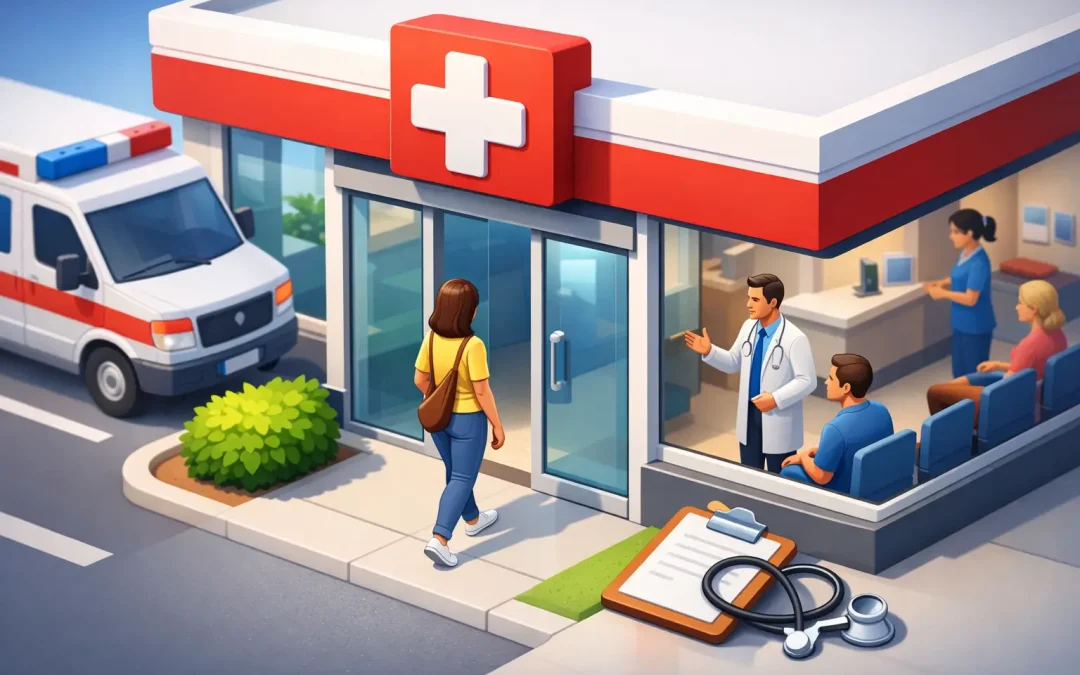
Can You Walk Into Urgent Care? Same-Day Care Without an Appointment
Need medical care today, but do not want to wait days for an appointment? Many patients ask: Can you walk into urgent care without an appointment?
In most cases, yes. Walk-in urgent care is designed to provide same-day treatment for illnesses, minor injuries, physicals, diagnostic testing, and other non-emergency concerns—without the delays often associated with traditional office scheduling or emergency rooms.
Knowing when urgent care is the right choice can help you get care faster and avoid unnecessary costs or long wait times.
Quick Answer: Can You Walk Into Urgent Care?
Most urgent care clinics accept walk-in patients Appointments are usually not required Many clinics provide on-site testing and treatment Urgent care is best for non-life-threatening conditions Emergency symptoms should go directly to the ER or call 911
When Is Walk-In Urgent Care the Right Choice?
Urgent care works best when you need medical attention soon but do not require emergency treatment.
Common reasons patients choose walk-in urgent care include:
- Sore throat
- Fever
- Cold and flu symptoms
- Ear infections
- Sinus infections
- Cough and mild breathing concerns
- Urinary symptoms
- Minor cuts and lacerations
- Sprains and strains
- Mild burns
- Minor fractures
- Rashes
- Sports physicals
- Workers’ compensation injuries
- On-site X-ray and diagnostic testing
For many patients, urgent care fills the gap between waiting for primary care and going to the emergency room.
What Conditions Can Urgent Care Treat?
Urgent care clinics treat a wide range of common medical concerns.
You may consider urgent care for:
Illnesses
- Flu-like symptoms
- Sore throat
- Ear pain
- Pink eye
- Nausea and vomiting
- Mild dehydration
- COVID testing
- Upper respiratory infections
Injuries
- Sprains
- Strains
- Minor fractures
- Cuts
- Bruises
- Minor burns
Routine Services
- School physicals
- Sports physicals
- Workplace injuries
- Follow-up concerns
- Basic preventive visits
Many clinics can complete evaluation, testing, and treatment during the same visit.
What Happens When You Walk Into Urgent Care?
The process is usually simple:
Step 1: Check In
Provide identification, insurance information, and your reason for the visit.
Step 2: Medical Evaluation
A provider reviews symptoms, medical history, and vital signs.
Step 3: Testing if Needed
Depending on symptoms, you may receive:
- X-rays
- Lab testing
- EKG
- Rapid testing
- Medication treatment
Step 4: Treatment Plan
Most patients leave with instructions, prescriptions if needed, and follow-up recommendations.
What Should You Bring?
To make your visit faster, bring:
- Photo ID
- Insurance card
- Medication list
- Relevant medical history
- Employer information for work injuries
- Parent or guardian for pediatric visits
When Should You NOT Go to Urgent Care?
Urgent care is not designed for medical emergencies.
Go to the emergency room or call 911 if you have:
- Chest pain
- Severe shortness of breath
- Stroke symptoms
- Heavy bleeding
- Serious head injury
- Seizures
- Loss of consciousness
- Severe abdominal pain
- Sudden confusion
If symptoms feel severe or rapidly worsening, emergency care is usually the safer option.
—
Urgent Care vs Emergency Room
| Urgent Care | Emergency Room | | ————————– | ————————— | | Minor illness/injury | Life-threatening conditions | | Walk-in access | Immediate emergency care | | Lower cost for many visits | Higher intensity treatment | | Shorter average visits | Advanced hospital services |
Urgent care is often the better option for problems that are urgent—but not critical.
Urgent Care vs Primary Care
Primary care remains important for:
- Long-term health management
- Preventive care
- Chronic disease follow-up
- Medication management
Urgent care is helpful when:
- You need care today
- Your doctor is unavailable
- You need same-day testing
These services work together rather than compete.
Frequently Asked Questions Can I go to urgent care without insurance?
Many urgent care clinics offer self-pay options. Contact your clinic to confirm pricing.
Can urgent care prescribe medication?
Yes, providers can prescribe medications when appropriate.
Can children be seen at urgent care?
Many urgent care clinics evaluate both adults and children.
How long is the wait?
Wait times vary depending on patient volume and testing needs.
Do I need a referral?
In most cases, no referral is required.
Walk-In Urgent Care in Cincinnati
For patients in Cincinnati looking for prompt care without waiting days for an appointment, walk-in urgent care can be a practical solution.
Medical Urgent Care offers:
- Same-day walk-in visits
- Extended hours
- On-site diagnostics
- Adult and pediatric evaluation
Before coming in, check the current hours and accepted insurance to make your visit easier.
When illness or injury happens unexpectedly, getting care should not feel complicated. If your condition is urgent—but not life-threatening—walking into urgent care is often the fastest path to treatment.