
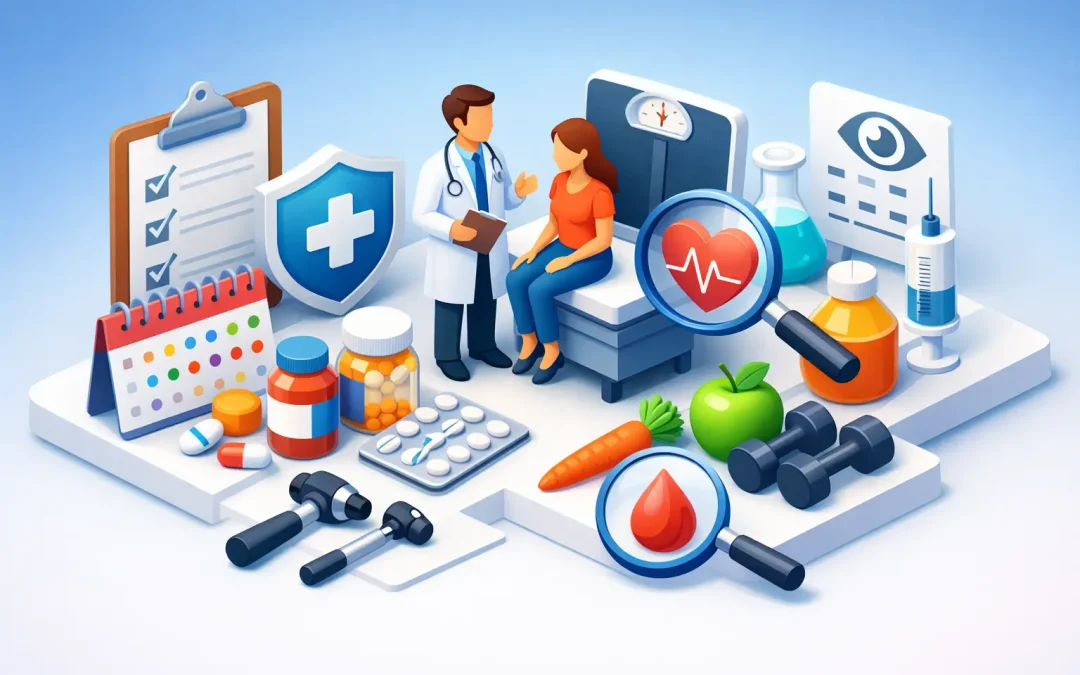
A lot of people wait until something feels wrong to get medical care. That is understandable, especially with busy schedules, work, school, and family responsibilities. But if you have ever wondered what is included in preventive care, the short answer is this: it focuses on finding concerns early, lowering health risks, and helping you stay well before a problem turns into a bigger one.
Preventive care is not one single visit or test. It is a group of routine services that help monitor your health over time. For adults, children, and teens, that can include checkups, vaccines, screenings, physicals, and basic lab testing. The exact services depend on your age, medical history, current health, and risk factors.
What is included in preventive care for most patients?
For most people, preventive care starts with a general wellness visit. That appointment gives a medical provider the chance to review your health history, check your vital signs, ask about symptoms or lifestyle changes, and look for early signs of illness. Even when you feel fine, these visits matter because conditions like high blood pressure, high cholesterol, or early diabetes do not always cause obvious symptoms at first.
A preventive visit often includes a physical exam, but it may also involve a broader conversation about your overall health. Providers may ask about sleep, stress, diet, exercise, tobacco use, alcohol use, and family history. Those details help guide which screenings or tests make sense for you.
For children, preventive care also includes tracking growth and development. Height, weight, milestones, vision, hearing, and school or sports readiness may all be part of the visit. Pediatric preventive care is designed to catch concerns early and support healthy development at every stage.
Common services included in preventive care
Although every patient is different, several services are commonly included in preventive care.
Annual checkups and wellness exams
Routine checkups are the foundation of preventive care. These visits help establish a health baseline and make it easier to spot changes from one year to the next. Providers usually review your current medications, chronic conditions, allergies, and any new concerns that may need follow-up.
For adults, this may be called an annual physical or wellness exam. For children, it may be a well-child visit. For teens and student athletes, school and sports physicals may also play a preventive role by identifying issues that could affect participation or safety.
Vaccinations
Vaccines are one of the clearest examples of preventive care because they help prevent illness before it starts. Depending on age and health status, that may include flu shots, COVID-19 vaccines, tetanus boosters, and routine childhood immunizations.
Vaccine recommendations can vary. A healthy young adult may need different immunizations than a senior, a child entering school, or someone with a chronic medical condition. Travel, work exposure, and underlying risk factors can also affect what is recommended.
Screenings
Screenings are tests or evaluations used to detect conditions early, sometimes before symptoms appear. Blood pressure checks are a basic example, but preventive screenings can also include cholesterol testing, blood sugar testing, vision checks, hearing checks, and certain age-based cancer screenings.
The right timing depends on the person. Someone with a family history of heart disease may need earlier or more frequent monitoring. A child may need developmental screening. An older adult may need more regular evaluation for chronic conditions. Preventive care works best when it is personalized rather than one-size-fits-all.
Lab testing
Basic lab work is often part of preventive care, especially when a provider wants to check for issues that are not visible during a physical exam. Blood tests may be used to evaluate cholesterol, glucose levels, kidney function, or signs of anemia. Other tests may be ordered based on symptoms, risk factors, or medical history.
Not every preventive visit includes the same labs. That is where many patients get confused. Some tests are routine for one age group or risk category but not for another. The goal is not to order everything possible. It is to use appropriate testing to catch concerns early and avoid unnecessary care.
Counseling and risk assessment
Preventive care is also about guidance. A provider may talk with you about healthy weight, nutrition, exercise, smoking cessation, stress management, or ways to reduce your risk of chronic illness. These conversations may feel simple, but they are an important part of prevention.
For some patients, risk assessment leads to early follow-up. If your blood pressure is trending high, your provider may recommend changes now instead of waiting until it becomes a more serious problem. If your child is due for vaccines or has a concern with hearing or vision, acting early can make a real difference.
What preventive care may include by age and stage
Preventive care changes as patients move through different stages of life.
Children usually need regular well-child visits, developmental monitoring, vision and hearing checks, and scheduled immunizations. Teens may need school physicals, sports physicals, and guidance related to growth, mental health, or lifestyle habits.
Adults often need annual wellness exams, blood pressure monitoring, cholesterol screening, diabetes risk assessment, and vaccine updates. Women may also need routine preventive services tied to reproductive health. Men and women may both need age-based screening recommendations as they get older.
Older adults may need more frequent monitoring for chronic disease, medication review, fall risk concerns, heart health, and other age-related changes. In every group, family history and existing conditions matter. A healthy 30-year-old and a 30-year-old with obesity, hypertension, or strong family history may not need the same preventive plan.
What preventive care does not always include
It helps to understand that preventive care is different from problem-focused care. If you come in for an annual exam and also need evaluation for chest pain, a lingering cough, a rash, or a recent injury, part of the visit may shift from prevention to diagnosis and treatment.
That distinction matters because preventive services are intended to maintain health and detect issues early. Diagnostic services are used when there is already a symptom, concern, or active condition to investigate. Both are important, but they are not the same thing.
This is also why coverage and billing can vary depending on what happens during the visit. If a provider identifies a new problem that requires additional testing or treatment, that may fall outside a standard preventive service. Patients are often surprised by this, so it is worth asking questions when you schedule care.
When urgent care can help with preventive care
Many people think preventive care only happens in a traditional primary care office. In reality, urgent care can be a practical option for several preventive services, especially when you need convenience and same-day access.
Walk-in clinics can often help with annual physicals, school and sports physicals, vaccine updates, basic screenings, and routine lab testing. That can be especially helpful for working adults, busy parents, or anyone who does not want to wait weeks for an appointment. At Medical Urgent Care, patients can access a range of routine and preventive services in one local setting, with the added convenience of on-site diagnostics when needed.
Urgent care is not always a replacement for long-term primary care management, particularly if you have complex or ongoing chronic conditions. But for many routine preventive needs, it offers a reliable and efficient option. The best choice depends on what kind of care you need, how quickly you need it, and whether follow-up is likely to be necessary.
How to get the most from preventive care
Preventive visits are more useful when you come prepared. Bring a list of medications, know your family history if possible, and be ready to mention any recent health changes. Even small details can matter, such as unexplained fatigue, weight changes, headaches, or changes in exercise tolerance.
It also helps to think beyond the physical exam itself. Preventive care is most effective when it happens regularly. One visit can catch something important, but staying current over time gives providers a clearer picture of your health and a better chance to identify trends early.
If you have not scheduled a checkup in a while, that does not mean you are behind beyond repair. It simply means now is a good time to start. Preventive care is not about doing everything at once. It is about taking practical steps, at the right time, to protect your health before urgent problems develop.